

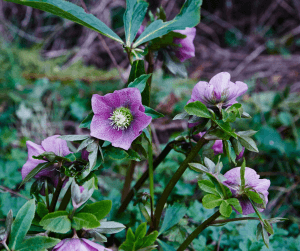
There are some plants in the garden that when they appear, it is a signal that spring is on the way. The Peony is one and I think when the new growth sprouts from the ground, it is a way of saying that winter is over and spring is here or will be soon. However, even before the peony new growth appears, the hellebores have beaten them by announcing that they are already blooming and announcing that spring is on the way!
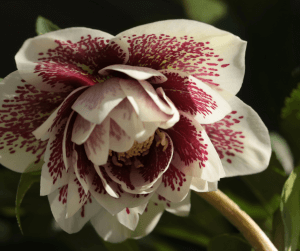
While native to Turkey and surrounding areas, as well as Morocco and even into temperate Asia, hellebores have long been planted in American gardens. They were, and are, an often-used plant in perennial flower beds and are especially appreciated for their early and long blooming season. In the Pacific Northwest, flowers can often appear in January and will continue for eight weeks or more. All parts of the plant are poisonous if ingested, and hellebores are one plant that is truly deer resistant. The name itself tells the story. The genus Helleborus comes from the Greek words bora meaning food and helein meaning “injures/destroys” in reference to the plant’s toxic leaves, stems, and roots.

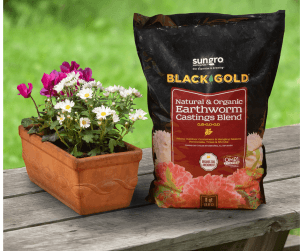
Hellebores do well in a location with morning sun or filtered sunlight. If planted in too much shade, flowering may be reduced. They like a soil that is rich and moist with compost such as Black Gold Natural & Organic Garden Compost Blend or Black Gold Natural & Organic Earthworm Castings Blend.
If your garden has plantings of established hellebores, this is the time of year to do some maintenance. Carefully cut off the old leaves, being very careful not to cut a new flower stem or leaf. Removing these old leaves will allow the new leaves to spread and provide nourishment for the plant. With the removal of the old leaves, this will also make the plants more visually appealing and will help to show off the flowers.
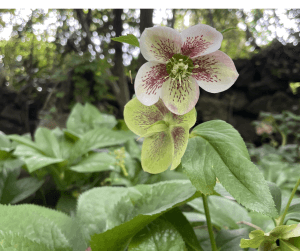
Hellebores are hardy perennials and will live for many years. The plants form clumps which after a few years can be divided in the fall. If left to grow in a natural area, new plants will germinate from seeds. If new seedlings are not wanted, remove the flower stems before seed capsules form. In my garden, I generally let the flowers go to seed and I have some mass plantings that have occurred from new seedlings.
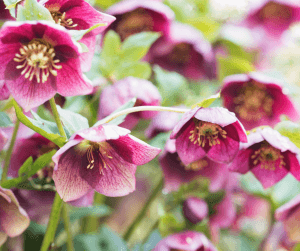
The flowers on hellebores are naturally nodding downward, and this can make it difficult to see inside the actual flower. Planting them on a slope can make it easier to look into the flower and being on a slope can also help improve drainage. Many new hybrids are now available and with new breeding, some flowers are less downward growing and grow more outfacing. Try floating flowers in a bowl when bringing them indoors. Outdoors at our house, we have floated them in a birdbath which can be quite attractive.
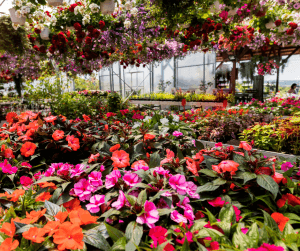
This is an excellent time to visit your local garden center and see what is available. If you have not seen some of the new hybrid hellebores, you may be surprised at the array of color available. Flowers can be single, semi-double, double, and multicolored. For an easy-care plant that produces flowers in the winter, hellebores are hard to beat.

About Mike Darcy